The Real Cost of WSIB Misclassification: What Ontario Construction Contractors Need to Know




Why WSIB Misclassification Is a Growing Risk in Construction
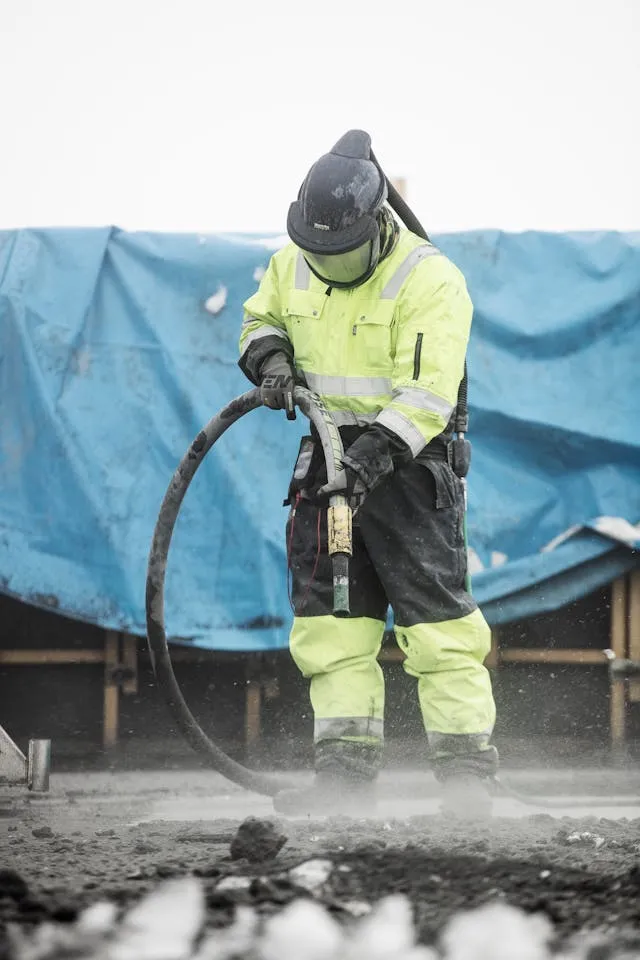
Worker misclassification has become one of the most pressing compliance issues facing Ontario’s construction industry. The stakes have never been higher. In recent years, the Workplace Safety and Insurance Board has intensified enforcement efforts, conducting targeted audits and imposing stricter penalties on contractors that misclassify workers as independent contractors when they should be classified as employees.
The financial consequences extend far beyond simple premium adjustments. Contractors face retroactive assessments, substantial penalties, legal liability for workplace injuries, and potential exclusion from lucrative government contracts. For construction businesses operating on thin margins, a single misclassification audit can mean the difference between profitability and bankruptcy.
This isn’t just a compliance checkbox. WSIB misclassification creates an unlevel playing field where non-compliant contractors undercut legitimate businesses, eroding the competitive advantage of companies that follow the rules. Understanding the real costs and implementing proper classification practices isn’t optional—it’s essential for survival in Ontario’s construction sector.
What Is WSIB Misclassification in Construction?
WSIB misclassification occurs when a construction contractor incorrectly categorizes workers who meet the legal definition of employees as independent contractors or subcontractors. This distinction matters because employees must be covered under the employer’s WSIB policy, while genuinely independent contractors typically maintain their own coverage.
The classification isn’t determined by what you call someone or what’s written in a contract. WSIB Ontario uses a control test that examines the actual working relationship. Key factors include:
- Who controls how, when, and where the work is performed: If you dictate work schedules, methods, or supervise the work directly, you’re exercising employer control.
- Who provides tools and equipment: Employees typically use employer-provided tools, while independent contractors supply their own specialized equipment.
- Financial risk and opportunity for profit: True contractors can profit or lose money based on their efficiency and business decisions.
- Integration into your business: If the worker is essential to your core operations rather than providing a specialized, temporary service, they’re likely an employee.
In construction, the line often blurs. A framer who shows up daily to your sites, uses your equipment, follows your foreman’s instructions, and has no other clients is an employee—regardless of what the contract says. Conversely, a specialized contractor brought in for a specific concrete forming job, using their own forms and crew, working to specifications but not under your direct supervision, may legitimately be independent.
The complexity increases with multi-tier subcontracting arrangements common in construction. General contractors can be held liable for misclassification down the chain, making it critical to verify that all subcontractors maintain proper WSIB coverage.
Recent WSIB Classifications Codes & Ontario Government Actions Contractors Must Know

WSIB Canada and the Ontario government have implemented significant regulatory changes that directly impact construction contractors. Understanding these developments is crucial for maintaining compliance.
NAICS-Based Classification System
WSIB Ontario uses a classification system based on the North American Industry Classification System (NAICS). This system has been refined over the years to better reflect the actual work being performed. Construction contractors must ensure they’re reporting workers under the correct classification codes, as premium rates vary significantly by classification. Misreporting work as a lower-risk classification to reduce premiums constitutes fraud and triggers severe penalties.
The classification system continues to evolve as new construction methods and specializations emerge, making it essential for contractors to verify they’re using current codes for their operations.
Enhanced Enforcement Initiatives
The Ontario government has allocated additional resources to combat the underground economy in construction. This includes:
- Cross-referencing WSIB registrations with CRA payroll records to identify unreported workers
- Joint enforcement teams conducting site inspections
- Data-sharing agreements between WSIB, the Ministry of Labour, and tax authorities
- Tip lines encouraging workers to report non-compliant employers
Mandatory Clearance Requirements
Procurement policy changes require WSIB clearance certificates for most government-funded construction projects. This extends beyond direct government work to include:
- Municipal infrastructure projects
- Publicly funded institutional construction (schools, hospitals)
- Projects receiving government grants or incentives
- Public-private partnerships (P3 projects)
Contractors without valid clearance certificates are automatically disqualified from bidding, eliminating a significant portion of available work for non-compliant businesses.
Principal Contractor Liability Expansion
Amendments to the Workplace Safety and Insurance Act have strengthened principal contractor liability. General contractors can now be assessed for premiums on any work performed on their projects where the workers aren’t properly covered—even if those workers are employed by subcontractors several tiers removed.
Mandatory Coverage for Independent Operators
Since 2013, independent operators in construction (sole proprietors and partners without employees) are required to register for WSIB coverage. There are limited exceptions, but most construction independent operators must maintain coverage. This mandatory requirement helps ensure that all workers on construction sites have protection and reduces confusion about worker status.
Financial and Legal Risks of Misclassification

The consequences of WSIB misclassification extend across multiple dimensions, each carrying substantial costs that can compound rapidly.
Retroactive WSIB Premiums and Interest
When WSIB Ontario identifies misclassified workers during an audit, they don’t just correct going forward. The board assesses retroactive premiums for up to three years of misclassified payroll. These assessments include:
- Full premium amounts calculated on previously unreported payroll
- Compound interest calculated from the date premiums were originally due
- Administrative penalties ranging from 10% to 100% of the owed premiums
- Potential assessment of penalties for each year of non-compliance
For a mid-sized contractor with $500,000 in misclassified annual payroll at a 10% premium rate, a three-year retroactive assessment could total $150,000 in premiums plus $30,000-40,000 in interest and penalties—nearly $200,000 in unexpected costs.
Fines and Penalties
Beyond retroactive premiums, WSIB can impose administrative penalties for non-compliance. These penalties are discretionary and consider factors like:
- Whether misclassification was intentional or negligent
- The contractor’s compliance history
- The number of misclassified workers
- Whether the contractor cooperated with the investigation
Administrative penalties can reach 100% of the owed premiums in cases of deliberate evasion. Additionally, willful misrepresentation to WSIB constitutes an offense under the Workplace Safety and Insurance Act. For corporations, criminal prosecution can result in fines up to $500,000, while individuals may face fines up to $100,000 and potential imprisonment.
Principal Liability and WSIB Clearance Certificate Risks
The principal contractor liability provisions create cascading risk. If your subcontractor misclassifies workers or fails to maintain WSIB coverage, you become liable for their premiums. This means:
- You’re assessed for premiums you didn’t budget for
- Your WSIB account is debited, affecting your clearance status
- You cannot obtain a WSIB clearance certificate in Ontario while amounts remain outstanding
- You’re disqualified from bidding on government projects until resolved
Many contractors discover these liabilities only when applying for a clearance certificate for a major project, facing the choice of paying another company’s obligations or losing the contract.
Injury Claims, Lawsuits & Insurance Gaps

The most severe financial risk involves workplace injuries to misclassified workers. When an employee is injured:
If properly classified and covered by WSIB: The board covers medical costs and lost wages. The worker generally cannot sue you. Your WSIB premiums may increase, but your exposure is limited.
If misclassified and not covered: The worker can sue you directly in civil court for:
- Medical expenses
- Lost income (past and future)
- Pain and suffering
- Loss of enjoyment of life
These claims can easily reach millions of dollars for serious injuries. Your commercial general liability insurance typically excludes coverage for workers who should have been covered under WSIB, leaving you personally exposed.
Additionally, WSIB may pay the injured worker’s benefits and then sue you for reimbursement of all costs, plus penalties. You face payment to both WSIB and the injured worker.
Reputational and Operational Costs
Beyond direct financial penalties, misclassification damages your business in ways that are harder to quantify but equally destructive.
Loss of bidding opportunities: Without a valid WSIB clearance certificate, you’re excluded from government and institutional work, eliminating 20-40% of available projects for many contractors.
Bonding and insurance difficulties: Surety companies and insurers view WSIB non-compliance as a red flag indicating poor management and increased risk. You may face higher premiums, reduced bonding capacity, or outright denial.
Reputational damage: In an industry built on relationships and reputation, being identified as a non-compliant contractor spreads quickly through owner, consultant, and trade networks.
Difficulty attracting skilled workers: Quality tradespeople increasingly seek employers who provide proper WSIB coverage and workplace protections. WSIB employment opportunities—legitimate jobs with proper coverage—are more attractive than under-the-table arrangements.
Time and distraction: Responding to WSIB audits, handling appeals, and managing compliance crises consume hundreds of management hours that could be spent growing your business.
Misclassification in Ontario Construction: Statistics and Impact

The scale of misclassification in Ontario’s construction sector represents a significant economic and fairness issue, though precise figures are difficult to obtain due to the underground nature of non-compliance.
Key Statistics on Revenue Loss and Non-Compliance
Industry estimates and government studies suggest substantial non-compliance in Ontario’s construction sector:
- WSIB Ontario covers approximately 5.6 million workers across all industries, with construction representing one of the largest sectors
- The underground economy in construction results in significant unreported payroll and avoided WSIB premiums
- Non-compliant contractors gain an unfair competitive advantage by avoiding 10-15% in labor-related costs
- Worker misclassification remains a persistent problem despite enhanced enforcement efforts
These patterns represent not just lost revenue for WSIB, but unfair competitive advantage for non-compliant contractors who undercut legitimate businesses on labor costs.
Challenges with Independent Operator Compliance
While independent construction operators have been required to register for WSIB coverage since 2013, enforcement and compliance monitoring remain ongoing challenges:
- Some operators remain unaware of their registration obligations
- Others attempt to avoid the mandatory requirement to reduce costs
- This creates confusion about whether these operators are properly covered or operating illegally
- Unregistered independent operators who are injured may claim they were actually employees, triggering employer liability
The mandatory registration requirement for construction independent operators helps clarify worker status and ensures coverage, but requires continued enforcement.
How Misclassification Hurts Fair Contractors
Compliant contractors face a significant competitive disadvantage. When bidding against a non-compliant competitor:
- The non-compliant contractor saves 10-15% on labor costs through avoided WSIB premiums and payroll taxes
- This saving allows them to underbid while maintaining the same margin
- Compliant contractors must either reduce their margins to compete or lose the work
- Over time, this creates pressure to cut corners to remain competitive
This race to the bottom degrades workplace safety, reduces job quality, and punishes companies that invest in proper worker protections. The construction industry’s thin margins mean that a 10-15% labor cost disadvantage is often insurmountable.
Best Practices to Avoid WSIB Misclassification and Stay Compliant

Protecting your business from misclassification risks requires proactive policies and consistent implementation.
Conduct a classification audit: Review all current worker relationships against WSIB’s control test. Have a qualified employment lawyer assess borderline cases. Reclassify workers before WSIB does it for you.
Document independent contractor relationships: For workers you determine are legitimately independent, maintain documentation showing:
- Written contracts specifying the independent nature of the relationship
- Evidence that they work for multiple clients
- Records showing they provide their own tools and equipment
- Proof they maintain their own WSIB coverage (registration confirmation)
- Invoices rather than timesheets
Implement subcontractor verification procedures: Before engaging any subcontractor:
- Verify they have valid WSIB coverage (request a clearance certificate)
- Confirm their registration is current
- Obtain and retain copies of their WSIB documentation
- Include contractual provisions requiring them to maintain coverage
- Require annual renewal of clearance certificates on long-term projects
Verify independent operator coverage: If working with independent operators, confirm they meet their mandatory WSIB registration requirements. Request proof of current coverage before engaging them for work.
Request WSIB clearance certificates proactively: Don’t wait until you’re bidding on a government project. Maintain current clearance certificates by:
- Ensuring all accounts are paid
- Submitting payroll reports on time
- Resolving any outstanding issues promptly
- Renewing certificates before expiry
Train your management team: Ensure supervisors, project managers, and estimators understand:
- The legal test for employee vs. independent contractor
- The consequences of misclassification
- Proper procedures for engaging workers
- Red flags indicating potential misclassification
Budget properly for WSIB costs: Include accurate WSIB premiums in your estimates and bids. Trying to compete by avoiding WSIB obligations is not a sustainable business strategy.
Consult professionals: Work with qualified employment lawyers, HR consultants, and accountants who understand construction industry worker classification issues. The cost of professional advice is minimal compared to the cost of getting it wrong.
Ensure compliance with mandatory independent operator coverage: If you operate as an independent contractor, ensure you’ve met the WSIB registration requirements. The annual cost (approximately $1,500- $ 2,500 for most construction classifications) provides valuable protection and ensures compliance with the law.
WSIB misclassification represents one of the most significant compliance risks facing Ontario construction contractors today. The financial consequences—retroactive premiums, penalties up to $500,000 for corporations, injury liability, and lost bidding opportunities—can easily exceed hundreds of thousands of dollars and threaten business viability.
The regulatory environment is tightening, not loosening. Enhanced enforcement, data-sharing between government agencies, expanded principal contractor liability, mandatory independent operator coverage, and mandatory clearance requirements for government work make non-compliance increasingly difficult and risky.
The good news is that compliance is straightforward for contractors willing to classify workers correctly, maintain proper documentation, and verify subcontractor coverage. The competitive disadvantage created by compliance costs is offset by access to government projects, lower risk, and the ability to attract quality workers who value legitimate WSIB employment opportunities.
The question isn’t whether you can afford to comply with WSIB Ontario requirements—it’s whether you can afford not to. The real cost of misclassification far exceeds the cost of premiums.
Frequently Asked Questions
What is the most expensive result of misclassifying employees as independent contractors?
The most expensive result is typically workplace injury liability. When a misclassified worker is seriously injured, you can face civil lawsuits potentially worth millions of dollars, plus WSIB seeking reimbursement for benefits paid. This far exceeds retroactive premium assessments, which generally range from tens to hundreds of thousands of dollars. Your commercial liability insurance won’t cover these claims, leaving you personally exposed.
Do subcontractors need WSIB in Ontario?
Yes. Legitimate independent subcontractors must maintain their own WSIB coverage. Since 2013, independent construction operators have been required to register for WSIB coverage, with limited exceptions. As a principal contractor, you’re liable for WSIB premiums on work performed on your projects if subcontractors aren’t properly covered. Always verify subcontractor WSIB registration before engaging them and obtain current clearance certificates.
Is WSIB mandatory in Ontario?
WSIB coverage is mandatory for most Ontario employers, including all construction businesses with employees. If you have employees, you must register with WSIB and maintain coverage. Independent operators in construction have been required to register and maintain coverage since 2013. Mandatory coverage protects workers and limits employer liability. Operating without required WSIB coverage violates the Workplace Safety and Insurance Act and subjects you to substantial penalties, including fines up to $500,000 for corporations.
How does WSIB work in Ontario?
WSIB Ontario operates as a no-fault insurance system. Employers pay premiums based on their payroll and industry classification. When workers are injured, WSIB pays medical costs and wage replacement benefits, and the injured worker generally cannot sue the employer. Premium rates vary by industry risk level—construction rates typically range from 4-15% of payroll depending on the specific classification code. Employers with good safety records may receive rebates, while those with poor records face surcharges.
Lorem ipsum dolor sit amet, consectetur adipiscing elit. Donec ullamcorper mattis lorem non. Ultrices praesent amet ipsum justo massa. Eu dolor aliquet risus gravida nunc at feugiat consequat purus. Non massa enim vitae duis mattis. Vel in ultricies vel fringilla.
Introduction
Mi tincidunt elit, id quisque ligula ac diam, amet. Vel etiam suspendisse morbi eleifend faucibus eget vestibulum felis. Dictum quis montes, sit sit. Tellus aliquam enim urna, etiam. Mauris posuere vulputate arcu amet, vitae nisi, tellus tincidunt. At feugiat sapien varius id.
Eget quis mi enim, leo lacinia pharetra, semper. Eget in volutpat mollis at volutpat lectus velit, sed auctor. Porttitor fames arcu quis fusce augue enim. Quis at habitant diam at. Suscipit tristique risus, at donec. In turpis vel et quam imperdiet. Ipsum molestie aliquet sodales id est ac volutpat.


Ipsum sit mattis nulla quam nulla. Gravida id gravida ac enim mauris id. Non pellentesque congue eget consectetur turpis. Sapien, dictum molestie sem tempor. Diam elit, orci, tincidunt aenean tempus. Quis velit eget ut tortor tellus. Sed vel, congue felis elit erat nam nibh orci.

Dolor enim eu tortor urna sed duis nulla. Aliquam vestibulum, nulla odio nisl vitae. In aliquet pellentesque aenean hac vestibulum turpis mi bibendum diam. Tempor integer aliquam in vitae malesuada fringilla.
Elit nisi in eleifend sed nisi. Pulvinar at orci, proin imperdiet commodo consectetur convallis risus. Sed condimentum enim dignissim adipiscing faucibus consequat, urna. Viverra purus et erat auctor aliquam. Risus, volutpat vulputate posuere purus sit congue convallis aliquet. Arcu id augue ut feugiat donec porttitor neque. Mauris, neque ultricies eu vestibulum, bibendum quam lorem id. Dolor lacus, eget nunc lectus in tellus, pharetra, porttitor.
Ipsum sit mattis nulla quam nulla. Gravida id gravida ac enim mauris id. Non pellentesque congue eget consectetur turpis. Sapien, dictum molestie sem tempor. Diam elit, orci, tincidunt aenean tempus. Quis velit eget ut tortor tellus. Sed vel, congue felis elit erat nam nibh orci.
Mi tincidunt elit, id quisque ligula ac diam, amet. Vel etiam suspendisse morbi eleifend faucibus eget vestibulum felis. Dictum quis montes, sit sit. Tellus aliquam enim urna, etiam. Mauris posuere vulputate arcu amet, vitae nisi, tellus tincidunt. At feugiat sapien varius id.
Eget quis mi enim, leo lacinia pharetra, semper. Eget in volutpat mollis at volutpat lectus velit, sed auctor. Porttitor fames arcu quis fusce augue enim. Quis at habitant diam at. Suscipit tristique risus, at donec. In turpis vel et quam imperdiet. Ipsum molestie aliquet sodales id est ac volutpat.
Mi tincidunt elit, id quisque ligula ac diam, amet. Vel etiam suspendisse morbi eleifend faucibus eget vestibulum felis. Dictum quis montes, sit sit. Tellus aliquam enim urna, etiam. Mauris posuere vulputate arcu amet, vitae nisi, tellus tincidunt. At feugiat sapien varius id.
Eget quis mi enim, leo lacinia pharetra, semper. Eget in volutpat mollis at volutpat lectus velit, sed auctor. Porttitor fames arcu quis fusce augue enim. Quis at habitant diam at. Suscipit tristique risus, at donec. In turpis vel et quam imperdiet. Ipsum molestie aliquet sodales id est ac volutpat.
- Lectus id duis vitae porttitor enim gravida morbi.
- Eu turpis posuere semper feugiat volutpat elit, ultrices suspendisse. Auctor vel in vitae placerat.
- Suspendisse maecenas ac donec scelerisque diam sed est duis purus.
Lectus leo massa amet posuere. Malesuada mattis non convallis quisque. Libero sit et imperdiet bibendum quisque dictum vestibulum in non. Pretium ultricies tempor non est diam. Enim ut enim amet amet integer cursus. Sit ac commodo pretium sed etiam turpis suspendisse at.
Tristique odio senectus nam posuere ornare leo metus, ultricies. Blandit duis ultricies vulputate morbi feugiat cras placerat elit. Aliquam tellus lorem sed ac. Montes, sed mattis pellentesque suscipit accumsan. Cursus viverra aenean magna risus elementum faucibus molestie pellentesque. Arcu ultricies sed mauris vestibulum.

Critical Construction Compliance | Awareness Week
Mar 16, 2026
Apr 15, 2026
Nov 30, 2026
Dec 15, 2026
Essential resources for contractors