




The Role of Technology Adoption in the Construction Industry


When we talk about technology adoption in the construction industry, we refer to the process wherein new, innovative tools and systems are incorporated into daily operations to improve efficiency, increase productivity, and ensure safety. This could be anything from digitized blueprint systems and Building Information Modeling (BIM) software to drones for site evaluation, IoT devices for real-time data collection, and leveraging AI to achieve compliance.
Every construction venture comes with an inherent set of challenges, ranging from the capricious nature of weather conditions to the possibility of human errors, equipment malfunctions, and potential health risks for the workforce. These challenges not only influence project timelines but also significantly impact overall project costs, worker well-being, and the final quality of deliverables. Strategic utilization of technology emerges as a potent solution to mitigate these risks, offering a pathway to successfully navigate and complete construction projects.
The Role of Technology Adoption in the Construction Industry
The adoption of technology in the construction industry has facilitated a monumental shift in how construction projects are managed and executed.
How Technology Adoption has Transformed the Construction Industry
The industry has seen vast improvements in accuracy, safety, and efficiency by incorporating project management software, drones, building information modeling BIM, and even robotics. 55% of contractors are currently using drones on their projects, and 32% of owners and contractors use internally developed tools. According to OSHA industry data, this has meant a drastic reduction in the hazards that were once seen as inherent in the construction industry.
Benefits of Technology Adoption in Terms of Efficiency and Productivity
In a recent survey, 60% of general contractors pinpointed coordination and communication breakdowns among project team members, coupled with challenges related to the quality of contract documents, as the primary culprits behind a decline in labor productivity.
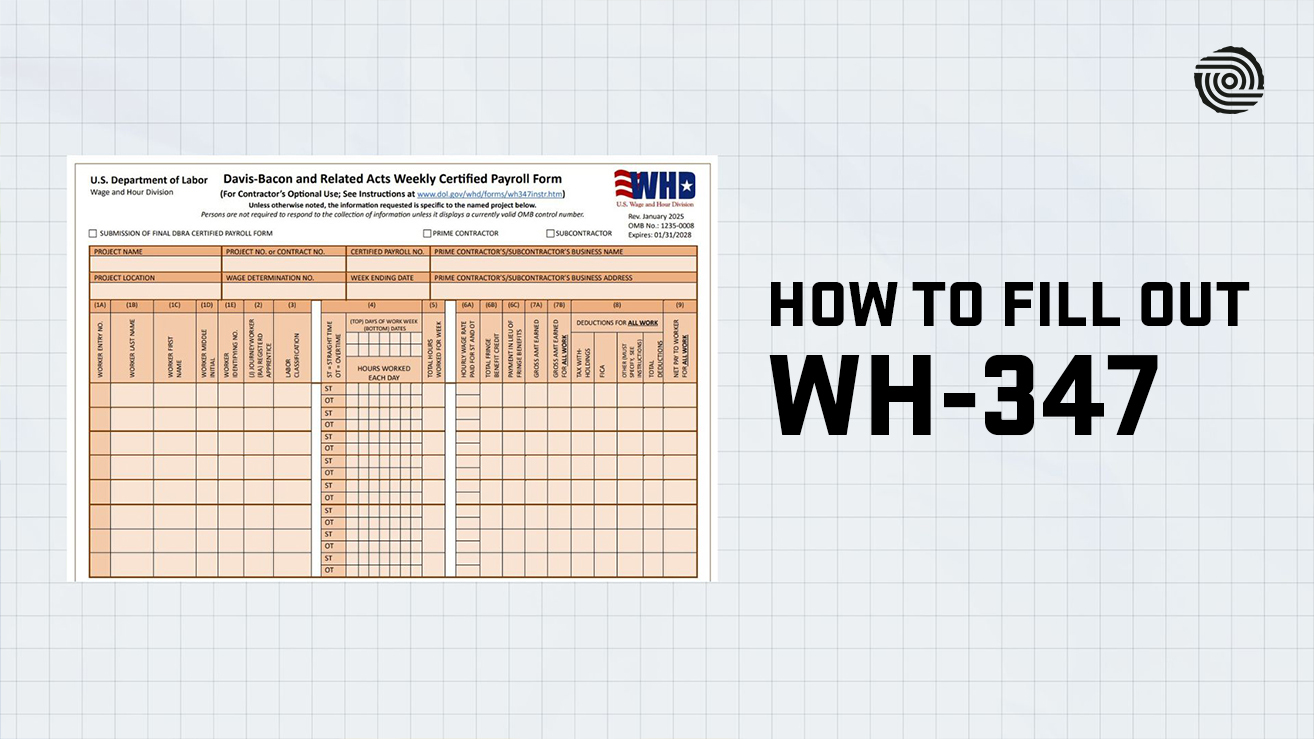
Technology integration emerges as an invaluable ally when delving into the domains of productivity and efficiency. The introduction of automation into routine tasks not only empowers workers to address more intricate challenges but also raises the bar for precision and accuracy, resulting in a decrease in rework and substantial savings in both time and costs. For instance, the implementation of Lumber's automated payroll engine has successfully slashed 20 hours of weekly manual work to a mere 30 minutes, thereby significantly enhancing the work efficiency of construction companies.
Another enlightening study sheds light on the fact that a noteworthy 52% of rework in construction sites is attributed to insufficient project data and miscommunication. Nonetheless, technology stands out as a pivotal solution by facilitating improved communication and tracking mechanisms. This ensures that all stakeholders remain seamlessly connected, fostering advanced project management practices.
An Overview of Construction Risk
Before we delve into the technological solutions, it's crucial to understand what we mean by construction risk and its implications.
Definition and Types of Construction Risk
Construction risk refers to the potential threats or challenges that could impact a project's success. These might include delays, cost overruns, personnel injuries, or quality issues. Some common types of construction risks include:
- Safety Hazards: These are risks associated with worker safety, typically evaluated using OSHA industry data.
- Project Delays: Situations that lead to unexpected extensions in the construction timeline.
- Financial Risk: Unforeseen changes in project costs or insufficient budgeting.
Factors Contributing to Construction Risk
Several factors can contribute to construction risk, such as project complexity, site constraints, contractual uncertainties, material availability or quality, and labor force availability and skill level. In addition, restricted schedules and environmental concerns also play a part in adding to the potential risks.
Impact of Construction Risk on Project Timelines and Budgets
The impact of these risks can be significant. If construction risks are not properly identified, mitigated, or managed, it may result in project delays, directly affecting project costs by driving up labor and equipment costs. According to a recent study, only half of the owners say that their projects are completed on time. Furthermore, extended construction timelines often result in financial overruns, ballooning the initially set budgets. Alarmingly, 50% of firms report instances where owners canceled, postponed, or scaled back projects due to increasing costs.
Analyzing OSHA Industry Data on Construction Risk
OSHA, or the Occupational Safety and Health Administration, is a government agency responsible for maintaining safe and healthy work environments across various industries. Its industry data offers valuable insights into safety metrics, accident reports, and potential risk factors in the construction sector, which can be quite revealing.
OSHA industry data presents comprehensive statistics on workplace accidents, violations, and fatalities. For the construction industry, this data serves as an invaluable resource for identifying risk patterns and areas needing improvement. It provides a statistical foundation for developing safer construction practices.
Detailed examination of construction risk data in OSHA reports shows that falls, electrocutions, getting struck by objects, and getting stuck in/between items are the leading causes of fatalities in the construction industry, commonly known as the "Fatal Four."
Identifying common causes of construction accidents and incidents
- Falls: Often resulting from insufficient fall protection, unsafe ladders or scaffolds.
- Electrocutions: Typically occur due to inadequate training on electrical safety or disregard for lockout/tagout procedures.
- Struck by Objects: Caused mainly by falling tools or moving machinery.
- Caught in/between: Workers can get trapped in or between equipment, structures, or materials.
Understanding and addressing these common construction risks can lead to fewer injuries and fatalities, setting the stage for safer workplaces.
Best Practices for Technology Adoption to Reduce Construction Risk
Understanding how technology impacts construction risk ultimately comes down to its application, and like any tool, it becomes more effective when used correctly. Let's delve into the best practices here.
Conducting a Risk Assessment Before Implementing New Technology
Before you can effectively implement new technology, you need to understand the risks involved. Conducting a thorough risk assessment is crucial to this process. It involves identifying potential hazards and understanding how they could impact your operations. These could include equipment failures, cyber threats, training challenges, amongst others.
Training the Workforce on Technology Usage and Safety Protocols
Training comes as a front-line strategy for technology adoption. It's crucial for your workforce to not only understand how to use the new technology but also be aware of the safety protocols involved. This aids in promoting effective usage and reducing potential mishaps.
- Adapt the training to various learning styles.
- Implement regular refreshers to stay current.
- Include practical, hands-on sessions for better understanding.
Monitoring and Evaluating the Effectiveness of Technology Adoption for Risk Reduction
The role of technology doesn't end at adoption. Monitoring its effectiveness and evaluating its impact on risk reduction are fundamental. This allows for necessary adjustments and ensures that your technology investments are paying off towards a safer and more efficient construction environment.
It's clear that adopting technology is not just a choice but a necessity for the construction industry. It serves as a bridge to better construction practices, helping to reduce risk and increase efficiency. Improved communication, enhanced monitoring, advanced predictions, and data-driven decision-making strategies are just a few incredible benefits.
Potential Future Advancements in Technology Adoption and Risk Management in Construction
Looking ahead, we anticipate even more innovation. Ground-breaking technology like AI and Machine Learning are ripe for further integration in managing construction risk.
- AI could automate the detection and prediction of potential hazards.
- Machine Learning might be used to analyze accident data, providing insightful trends for prevention strategies.
- Augmented Reality might revolutionize on-site training, further reducing the risk of accidents.
The future brims with possibilities, and we are excited to witness how technology will continue to reshape risk management in the construction industry.
Lorem ipsum dolor sit amet, consectetur adipiscing elit. Donec ullamcorper mattis lorem non. Ultrices praesent amet ipsum justo massa. Eu dolor aliquet risus gravida nunc at feugiat consequat purus. Non massa enim vitae duis mattis. Vel in ultricies vel fringilla.
Introduction
Mi tincidunt elit, id quisque ligula ac diam, amet. Vel etiam suspendisse morbi eleifend faucibus eget vestibulum felis. Dictum quis montes, sit sit. Tellus aliquam enim urna, etiam. Mauris posuere vulputate arcu amet, vitae nisi, tellus tincidunt. At feugiat sapien varius id.
Eget quis mi enim, leo lacinia pharetra, semper. Eget in volutpat mollis at volutpat lectus velit, sed auctor. Porttitor fames arcu quis fusce augue enim. Quis at habitant diam at. Suscipit tristique risus, at donec. In turpis vel et quam imperdiet. Ipsum molestie aliquet sodales id est ac volutpat.


Ipsum sit mattis nulla quam nulla. Gravida id gravida ac enim mauris id. Non pellentesque congue eget consectetur turpis. Sapien, dictum molestie sem tempor. Diam elit, orci, tincidunt aenean tempus. Quis velit eget ut tortor tellus. Sed vel, congue felis elit erat nam nibh orci.

Dolor enim eu tortor urna sed duis nulla. Aliquam vestibulum, nulla odio nisl vitae. In aliquet pellentesque aenean hac vestibulum turpis mi bibendum diam. Tempor integer aliquam in vitae malesuada fringilla.
Elit nisi in eleifend sed nisi. Pulvinar at orci, proin imperdiet commodo consectetur convallis risus. Sed condimentum enim dignissim adipiscing faucibus consequat, urna. Viverra purus et erat auctor aliquam. Risus, volutpat vulputate posuere purus sit congue convallis aliquet. Arcu id augue ut feugiat donec porttitor neque. Mauris, neque ultricies eu vestibulum, bibendum quam lorem id. Dolor lacus, eget nunc lectus in tellus, pharetra, porttitor.
Ipsum sit mattis nulla quam nulla. Gravida id gravida ac enim mauris id. Non pellentesque congue eget consectetur turpis. Sapien, dictum molestie sem tempor. Diam elit, orci, tincidunt aenean tempus. Quis velit eget ut tortor tellus. Sed vel, congue felis elit erat nam nibh orci.
Mi tincidunt elit, id quisque ligula ac diam, amet. Vel etiam suspendisse morbi eleifend faucibus eget vestibulum felis. Dictum quis montes, sit sit. Tellus aliquam enim urna, etiam. Mauris posuere vulputate arcu amet, vitae nisi, tellus tincidunt. At feugiat sapien varius id.
Eget quis mi enim, leo lacinia pharetra, semper. Eget in volutpat mollis at volutpat lectus velit, sed auctor. Porttitor fames arcu quis fusce augue enim. Quis at habitant diam at. Suscipit tristique risus, at donec. In turpis vel et quam imperdiet. Ipsum molestie aliquet sodales id est ac volutpat.
Mi tincidunt elit, id quisque ligula ac diam, amet. Vel etiam suspendisse morbi eleifend faucibus eget vestibulum felis. Dictum quis montes, sit sit. Tellus aliquam enim urna, etiam. Mauris posuere vulputate arcu amet, vitae nisi, tellus tincidunt. At feugiat sapien varius id.
Eget quis mi enim, leo lacinia pharetra, semper. Eget in volutpat mollis at volutpat lectus velit, sed auctor. Porttitor fames arcu quis fusce augue enim. Quis at habitant diam at. Suscipit tristique risus, at donec. In turpis vel et quam imperdiet. Ipsum molestie aliquet sodales id est ac volutpat.
- Lectus id duis vitae porttitor enim gravida morbi.
- Eu turpis posuere semper feugiat volutpat elit, ultrices suspendisse. Auctor vel in vitae placerat.
- Suspendisse maecenas ac donec scelerisque diam sed est duis purus.
Lectus leo massa amet posuere. Malesuada mattis non convallis quisque. Libero sit et imperdiet bibendum quisque dictum vestibulum in non. Pretium ultricies tempor non est diam. Enim ut enim amet amet integer cursus. Sit ac commodo pretium sed etiam turpis suspendisse at.
Tristique odio senectus nam posuere ornare leo metus, ultricies. Blandit duis ultricies vulputate morbi feugiat cras placerat elit. Aliquam tellus lorem sed ac. Montes, sed mattis pellentesque suscipit accumsan. Cursus viverra aenean magna risus elementum faucibus molestie pellentesque. Arcu ultricies sed mauris vestibulum.

Critical Construction Compliance | Awareness Week
Mar 16, 2026
Apr 15, 2026
Nov 30, 2026
Dec 15, 2026
Essential resources for contractors

.jpg)
