Expanding Prevailing Wage Law in Michigan: What It Means for Solar and Wind Energy Projects


Michigan Governor Gretchen Whitmer has signed a significant expansion of the state’s prevailing wage law, marking a pivotal step towards bolstering both worker protections and the clean energy sector. The legislation extends prevailing wage requirements to construction projects for solar and wind energy, ensuring that workers on these vital initiatives receive fair compensation and benefits. Know More
Michigan's prevailing wage law, a critical piece of labor legislation, ensures that workers on state-funded construction projects are paid wages that align with the prevailing rates in the area. This standard helps to maintain fair compensation based on the local economy and cost of living, offering protection against underbidding that can drive down wages and undermine quality. Recently, Michigan has taken significant steps to expand this law to include renewable energy projects, particularly in the solar and wind sectors. This expansion is a notable development amidst the growing emphasis on sustainable energy solutions. It could profoundly impact how these projects are managed, the quality of labor attracted, and overall project costs. As the state pushes forward with this initiative, understanding the implications of this policy change is crucial for stakeholders across the construction and renewable energy industries.
Understanding Prevailing Wage Law
Prevailing Wage Laws require that wages paid to employees on public works projects are comparable to the wages paid for similar work in the local area. These laws are designed to ensure that government contractors pay wages that reflect the local standards, helping stabilize the local economy. The central objective of these laws is to prevent contractors from undercutting local wage standards by employing low-wage workers from outside the region, which could drive down the overall wage structure in the area.
The Prevailing Wage Law applies to various sectors, including construction, repair, and maintenance of public buildings or public works. It is deeply relevant to industries such as solar and wind energy, where public and governmental investments are significant. The law ensures that the economic benefits of government spending are broadly shared within the community by providing fair wages and discouraging low-wage, out-of-state competition.
The Role of the OFCCP in Enforcement
The Office of Federal Contract Compliance Programs (OFCCP) plays a crucial role in enforcing the Prevailing Wage Law. As an agency of the U.S. Department of Labor, the OFCCP ensures that contractors doing business with the Federal government comply with the legal requirements to pay prevailing wages. The agency's enforcement not only helps protect workers from being underpaid but also ensures that they work under safe and nondiscriminatory conditions.
To effectively manage these responsibilities, the OFCCP conducts scheduled audits and investigations into federal contractors to ensure compliance with the prevailing wage statutes. If violations are found, the OFCCP has the authority to recommend changes, and in severe cases, legal sanctions may be imposed on the violating parties.
New Compliance Challenges Introduced by OFCCP's Proposed Rule
Monthly Reporting Requirements
OFCCP's proposed new regulation will reintroduce a monthly reporting requirement for construction contractors working on federal projects. This mandate will require contractors to submit Form CC-257, which details employee hours worked by race, gender, and ethnicity. The primary objective is to allow OFCCP to monitor and identify potential discrimination issues better by having more frequent and detailed access to workforce data.
This adjustment not only aims to boost transparency but also to improve the enforcement of anti-discrimination protocols. However, it introduces significant compliance challenges for contractors, particularly in sectors like solar and wind energy where project scopes and scales can vary immensely. Contractors will need to invest in data collection and reporting infrastructure, possibly affecting project costs and timelines.
Impact on Megaprojects
The proposed rule also differentiates projects by their scale, notably introducing specific stipulations for 'Megaprojects'—large-scale infrastructural projects usually accompanied by massive investments. These projects will face even stricter scrutiny under the new rule, given their substantial impact and visibility. This categorization could mean more rigorous compliance measures for solar and wind energy projects, which are increasingly becoming larger to meet renewable energy demands, potentially influencing how these projects are planned and executed.
Burden on Contractors
The proposed OFCCP rule adds a layer of complexity to the already stringent compliance landscape for contractors in the solar and wind energy sectors. Collecting, processing, and reporting the required data monthly requires substantial administrative capabilities, which may be disproportionately challenging for smaller contractors. Potential consequences include increased operational costs and a resource shift from core activities to compliance-related tasks.
Moreover, there is concern about the sensitivity and secure handling of the diversity data that will be collected. Contractors will need to enhance their data safety systems to prevent misuse or breaches, which further complicates the compliance landscape.
In conclusion, while the revised OFCCP rule aims to enhance fairness and transparency in employment practices on federal projects, it brings new challenges, especially for Michigan's solar and wind energy projects. Contractors will need to navigate these changes carefully to balance compliance with operational efficiency and project feasibility.
Implications for Solar and Wind Energy Projects in Michigan
Cost Implications of Prevailing Wage Law Expansion
The expansion of Michigan's Prevailing Wage Law to include solar and wind energy projects will inevitably influence the overall cost structure of these initiatives. By mandating the payment of prevailing wages, the law ensures that workers engaged in the construction of renewable energy projects receive wages and benefits comparable to those in similar roles in the area. This adjustment could lead to increases in labor costs, which are significant components of solar and wind project budgets.
- Higher labor costs may result in increased project expenses which could be passed onto consumers or absorbed by project developers.
- These costs could also affect Michigan's competitive positioning in attracting renewable energy investments relative to states with more flexible wage requirements.
However, while upfront costs might rise, adhering to prevailing wage standards can enhance project quality and worker satisfaction, potentially reducing turnover and increasing productivity.
Opportunities for Workforce Diversity and Inclusion
The introduction of a prevailing wage law within Michigan's solar and wind energy sectors opens significant opportunities for workforce diversity and inclusion. By setting a wage standard, the law helps to level the playing field, making these jobs more attractive to a diverse pool of skilled workers.
- Prevailing wages could draw workers from various demographic backgrounds, promoting a more inclusive workforce.
- Higher wages can make these sectors accessible to individuals who might not have considered them due to financial constraints, thereby broadening the talent pool.
This shift could bring about broader socio-economic benefits, including reducing income inequality and promoting community development through more equitable distribution of the economic gains from renewable energy projects.
Anticipated Compliance Strategies
In response to the expansion of the Prevailing Wage Law, businesses involved in Michigan's solar and wind energy projects will need to adopt several compliance strategies to align with the new legal framework.
- Establishing robust payroll monitoring systems ensures the correct prevailing wages are consistently met.
- Training programs for management and HR personnel to effectively implement these wage standards without errors.
- Engaging in ongoing communication with legal experts and industry compliance advisors to stay updated on best practices and any further legislative changes.
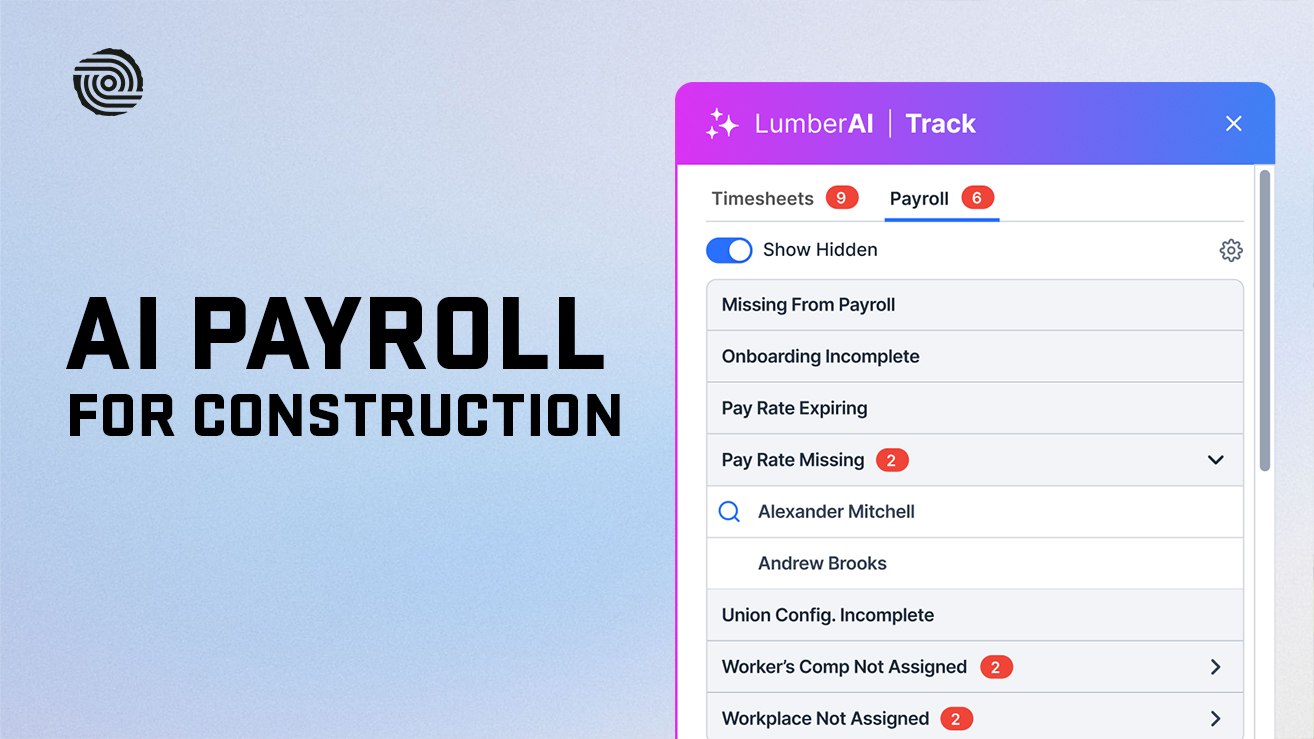
Additionally, some companies might explore advanced technological solutions such as payroll software that automatically updates wage standards and keeps detailed records of wage payments. These strategies will not only aid in compliance but also enhance the operational efficiency of managing large-scale solar and wind projects.
Implementing these adjustments will require effort and resources, but proactively embracing these changes could significantly mitigate potential legal risks and align solar and wind projects with broader social and economic objectives in Michigan.
The expansion of Michigan's prevailing wage law stands poised to significantly influence the landscape of solar and wind energy projects in the state. By ensuring higher wages for skilled laborers, Michigan aims to boost local employment, improve the quality of work, and enhance the overall economic vibrancy within its renewable energy sector. These projects not only further the state's environmental goals but also represent crucial steps toward substantial economic benefits through job creation and increased investment in local economies.
For contractors and companies involved in solar and wind projects, this expansion will necessitate adjustments in budgeting and project planning strategies to accommodate higher labor costs. Yet, the prospect of a highly skilled, well-compensated workforce could translate to enhanced project efficiency and durability, potentially offsetting the increased initial outlay over time.
As Michigan looks forward to a greener and more prosperous future, the expanded prevailing wage law serves as a testament to the state's commitment to both its workforce and environmental sustainability. The adaptation of such legislation may serve as a model for other states, illustrating the balance between fostering economic development and committing to ambitious environmental goals.
Lorem ipsum dolor sit amet, consectetur adipiscing elit. Donec ullamcorper mattis lorem non. Ultrices praesent amet ipsum justo massa. Eu dolor aliquet risus gravida nunc at feugiat consequat purus. Non massa enim vitae duis mattis. Vel in ultricies vel fringilla.
Introduction
Mi tincidunt elit, id quisque ligula ac diam, amet. Vel etiam suspendisse morbi eleifend faucibus eget vestibulum felis. Dictum quis montes, sit sit. Tellus aliquam enim urna, etiam. Mauris posuere vulputate arcu amet, vitae nisi, tellus tincidunt. At feugiat sapien varius id.
Eget quis mi enim, leo lacinia pharetra, semper. Eget in volutpat mollis at volutpat lectus velit, sed auctor. Porttitor fames arcu quis fusce augue enim. Quis at habitant diam at. Suscipit tristique risus, at donec. In turpis vel et quam imperdiet. Ipsum molestie aliquet sodales id est ac volutpat.


Ipsum sit mattis nulla quam nulla. Gravida id gravida ac enim mauris id. Non pellentesque congue eget consectetur turpis. Sapien, dictum molestie sem tempor. Diam elit, orci, tincidunt aenean tempus. Quis velit eget ut tortor tellus. Sed vel, congue felis elit erat nam nibh orci.

Dolor enim eu tortor urna sed duis nulla. Aliquam vestibulum, nulla odio nisl vitae. In aliquet pellentesque aenean hac vestibulum turpis mi bibendum diam. Tempor integer aliquam in vitae malesuada fringilla.
Elit nisi in eleifend sed nisi. Pulvinar at orci, proin imperdiet commodo consectetur convallis risus. Sed condimentum enim dignissim adipiscing faucibus consequat, urna. Viverra purus et erat auctor aliquam. Risus, volutpat vulputate posuere purus sit congue convallis aliquet. Arcu id augue ut feugiat donec porttitor neque. Mauris, neque ultricies eu vestibulum, bibendum quam lorem id. Dolor lacus, eget nunc lectus in tellus, pharetra, porttitor.
Ipsum sit mattis nulla quam nulla. Gravida id gravida ac enim mauris id. Non pellentesque congue eget consectetur turpis. Sapien, dictum molestie sem tempor. Diam elit, orci, tincidunt aenean tempus. Quis velit eget ut tortor tellus. Sed vel, congue felis elit erat nam nibh orci.
Mi tincidunt elit, id quisque ligula ac diam, amet. Vel etiam suspendisse morbi eleifend faucibus eget vestibulum felis. Dictum quis montes, sit sit. Tellus aliquam enim urna, etiam. Mauris posuere vulputate arcu amet, vitae nisi, tellus tincidunt. At feugiat sapien varius id.
Eget quis mi enim, leo lacinia pharetra, semper. Eget in volutpat mollis at volutpat lectus velit, sed auctor. Porttitor fames arcu quis fusce augue enim. Quis at habitant diam at. Suscipit tristique risus, at donec. In turpis vel et quam imperdiet. Ipsum molestie aliquet sodales id est ac volutpat.
Mi tincidunt elit, id quisque ligula ac diam, amet. Vel etiam suspendisse morbi eleifend faucibus eget vestibulum felis. Dictum quis montes, sit sit. Tellus aliquam enim urna, etiam. Mauris posuere vulputate arcu amet, vitae nisi, tellus tincidunt. At feugiat sapien varius id.
Eget quis mi enim, leo lacinia pharetra, semper. Eget in volutpat mollis at volutpat lectus velit, sed auctor. Porttitor fames arcu quis fusce augue enim. Quis at habitant diam at. Suscipit tristique risus, at donec. In turpis vel et quam imperdiet. Ipsum molestie aliquet sodales id est ac volutpat.
- Lectus id duis vitae porttitor enim gravida morbi.
- Eu turpis posuere semper feugiat volutpat elit, ultrices suspendisse. Auctor vel in vitae placerat.
- Suspendisse maecenas ac donec scelerisque diam sed est duis purus.
Lectus leo massa amet posuere. Malesuada mattis non convallis quisque. Libero sit et imperdiet bibendum quisque dictum vestibulum in non. Pretium ultricies tempor non est diam. Enim ut enim amet amet integer cursus. Sit ac commodo pretium sed etiam turpis suspendisse at.
Tristique odio senectus nam posuere ornare leo metus, ultricies. Blandit duis ultricies vulputate morbi feugiat cras placerat elit. Aliquam tellus lorem sed ac. Montes, sed mattis pellentesque suscipit accumsan. Cursus viverra aenean magna risus elementum faucibus molestie pellentesque. Arcu ultricies sed mauris vestibulum.

Critical Construction Compliance | Awareness Week
Mar 16, 2026
Apr 15, 2026
Nov 30, 2026
Dec 15, 2026
Essential resources for contractors