Five Workforce Management Features That Help Contractors Recruit and Retain Women

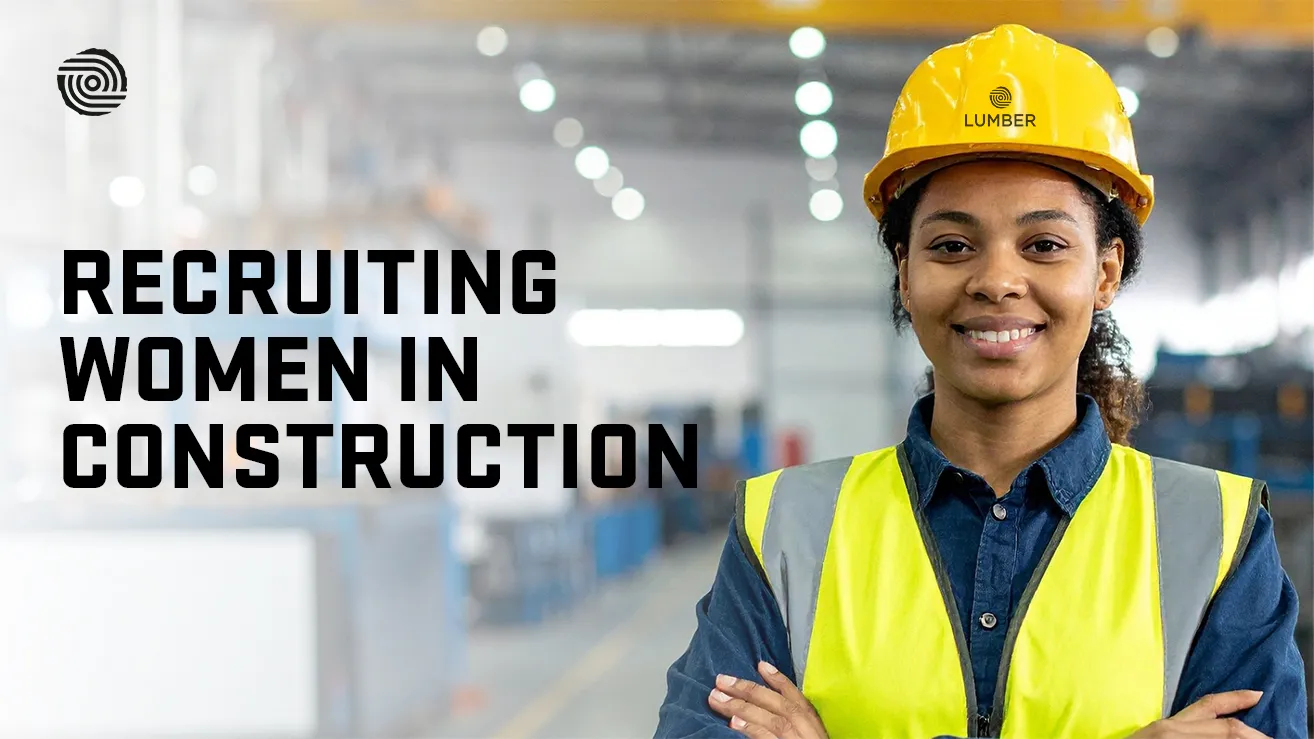


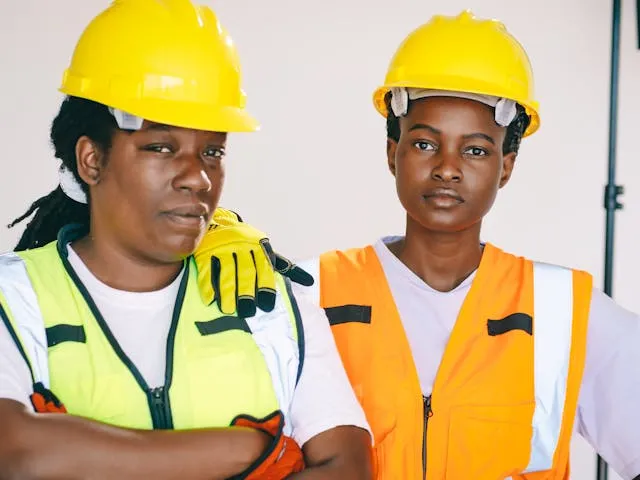
The construction industry faces a critical challenge: women make up only 11% of the construction workforce, despite representing nearly half of the total U.S. labor force. This significant gender gap isn’t just a diversity issue—it’s a business problem. With the industry facing a skilled labor shortage of over half a million workers, construction companies simply cannot afford to overlook half the potential talent pool.
The benefits of recruiting and retaining women in construction extend far beyond filling open positions. Research consistently shows that diverse teams are more productive, innovative, and profitable. Companies with greater gender diversity report better safety records, higher employee satisfaction, and improved project outcomes.
While cultural change requires commitment at every level, technology can play a surprisingly powerful role in creating more equitable workplaces. Modern workforce management platforms offer features specifically designed to remove barriers, increase transparency, and create the conditions where women can thrive in construction careers.
Let’s explore five workforce management features that forward-thinking contractors are using to build more inclusive teams and strengthen their competitive advantage.
Feature 1: Transparent, Equitable Scheduling Systems
The Challenge
Traditional construction scheduling often relies on informal networks, supervisor discretion, and “who you know” dynamics. This approach can inadvertently create barriers for women trying to establish themselves in the industry. Without transparent systems, female workers may find themselves assigned to less desirable shifts, excluded from high-visibility projects, or passed over for overtime opportunities that build both skills and income.
Unconscious bias can influence which crew members get assigned to which jobs, and manual scheduling processes make it difficult to identify or address these patterns. The result is a system where women may struggle to access the same career-building opportunities as their male counterparts.
How It Helps
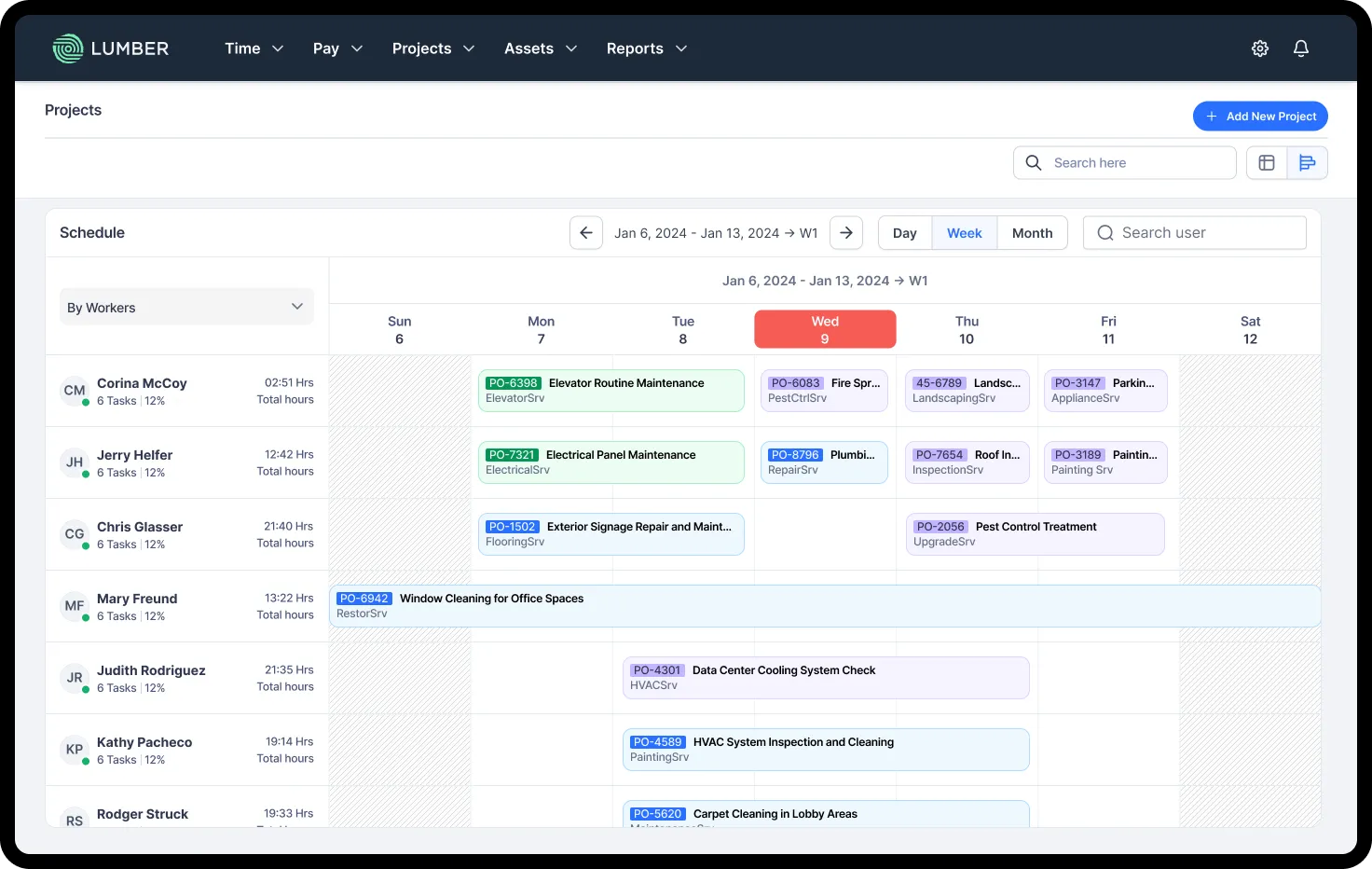
Algorithm-based scheduling systems remove subjectivity from crew assignments. By matching workers to projects based on skills, certifications, availability, and objective criteria, these tools ensure that opportunities are distributed fairly. Digital scheduling platforms create an auditable trail that makes it easy to see who’s getting assigned to what—and more importantly, who isn’t.
Modern workforce management platforms enable workers to view available shifts, request assignments, and understand the criteria used for crew selection. This transparency builds trust and ensures that women have equal access to the projects that will advance their careers.
Real-World Impact
When scheduling becomes transparent and equitable, women gain equal access to overtime opportunities, complex projects that build advanced skills, and high-visibility assignments that can lead to promotions. They’re evaluated on their qualifications and performance rather than assumptions about their capabilities or availability.
Best Practices for Implementation
Establish clear criteria for project assignments and make them visible to your entire workforce. Use your workforce management system to regularly audit assignment patterns and identify any disparities. Create a fair process for workers to request specific assignments or shifts, and ensure supervisors are trained to use the system’s objective-matching features rather than defaulting to informal selection methods.
Feature 2: Real-Time Communication and Collaboration Tools
The Challenge
Construction has traditionally relied on informal communication networks—conversations in the parking lot, information shared in the trailer, or decisions made over lunch. While these informal channels build camaraderie, they can inadvertently exclude women, particularly when they’re the only female worker on a crew or jobsite.
When critical information flows through casual conversations that happen in male-dominated spaces, women may miss out on important updates, safety information, or opportunities to contribute ideas. This communication gap can lead to feelings of isolation and make it harder for women to fully integrate into teams.

How It Helps
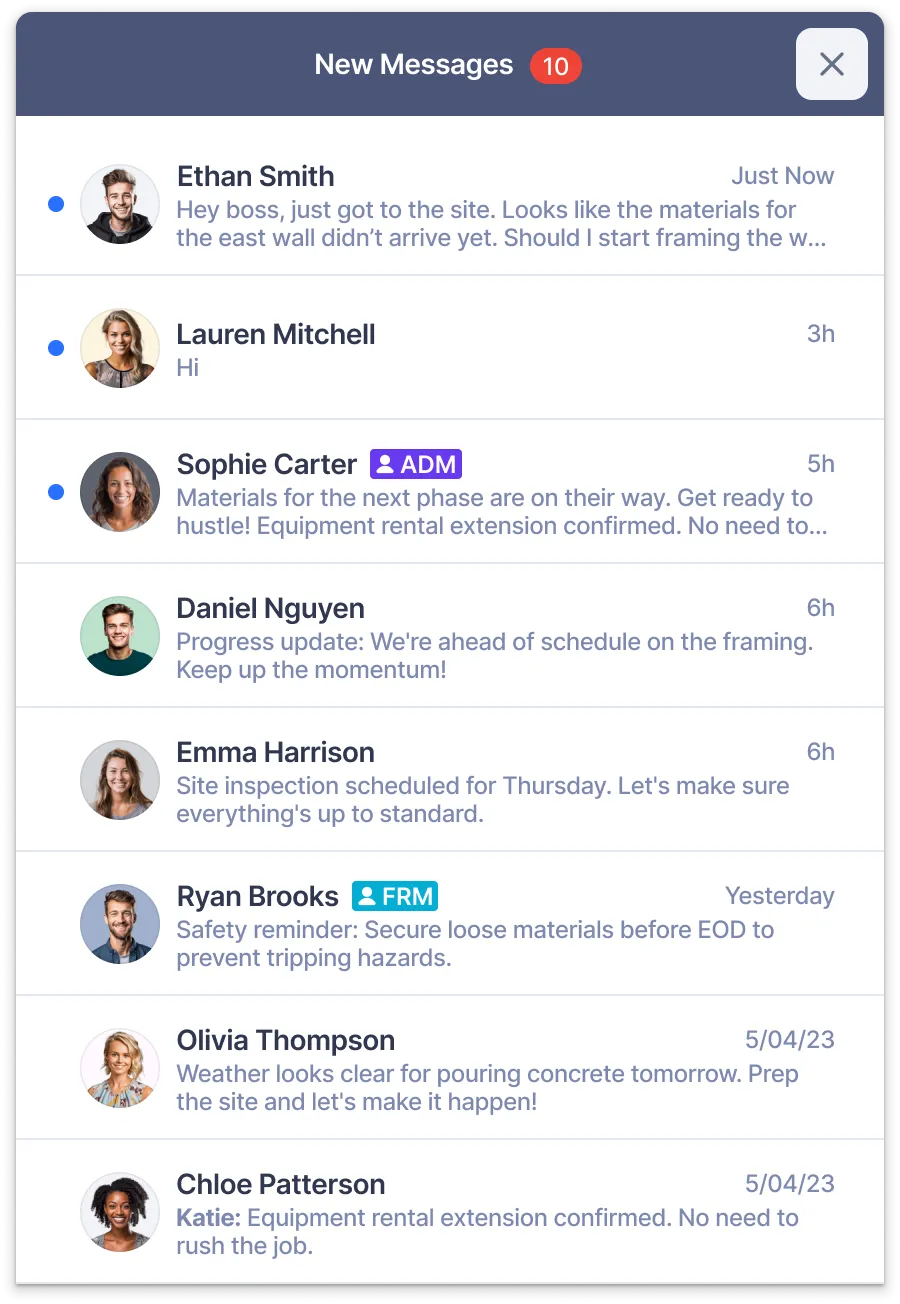
Digital communication platforms create formal, inclusive channels that allow all team members to access the same information simultaneously. Real-time messaging, digital job boards, and collaborative project management tools ensure that everyone—regardless of gender—has equal access to updates, announcements, and conversations.
These tools also create safer channels for reporting concerns, asking questions, or flagging safety issues. A worker who might hesitate to speak up in a crew meeting may feel more comfortable using a digital reporting feature, especially for sensitive issues such as harassment or safety violations.
Real-World Impact
When communication becomes digitized and democratized, women are better integrated into teams and have equal access to the information they need to succeed. Digital channels also facilitate mentorship connections, allowing newer workers to connect with experienced professionals across different job sites. This is particularly valuable for women, who may have fewer same-gender role models on their immediate crews.
Best Practices for Implementation
Establish norms around using digital communication channels for official announcements and critical information. Train all workers to use the platform effectively and ensure supervisors model inclusive communication practices. Create dedicated channels for safety reporting, questions, and feedback that allow for both public and private communication options.
Feature 3: Skills Tracking and Career Development Pathways
The Challenge
One of the biggest barriers to retaining women in construction is the lack of clear pathways for advancement. When career progression depends on informal mentorship or being “tapped on the shoulder” for opportunities, women can find themselves stuck at entry levels without understanding what it takes to advance.
Traditional paper-based systems for tracking certifications and skills make it difficult for workers to showcase their growing capabilities or for managers to identify who’s ready for the next level. This opacity particularly disadvantages women, who may already face skepticism about their commitment to construction careers.
How It Helps
.webp)
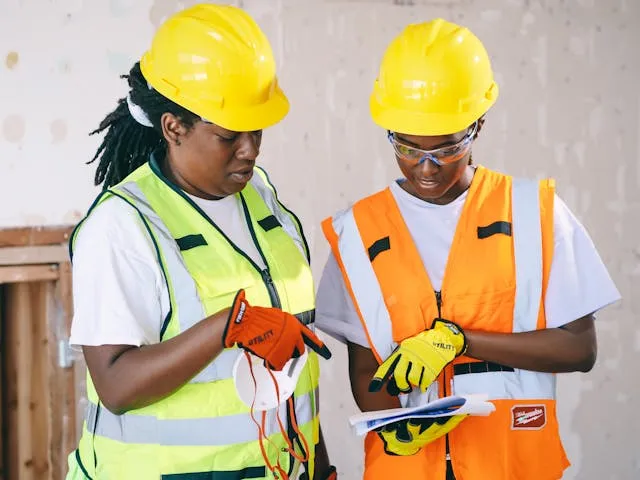
Digital skills tracking systems create transparent records of each worker’s certifications, training completions, and demonstrated competencies. Workers can see exactly what skills they need to develop to qualify for the next role, and managers can objectively identify candidates for advancement based on documented capabilities rather than assumptions.
These platforms can track everything from OSHA certifications to equipment operation credentials to completed apprenticeship milestones. They create a digital resume that follows workers throughout their careers, making achievements visible and verifiable.
Real-World Impact
When career pathways become transparent and skills-based, women can take ownership of their professional development. They know exactly which training to pursue, can see their progress in real time, and have documented proof of their qualifications when opportunities arise. This removes ambiguity and ensures that advancement decisions are based on demonstrated capability rather than subjective assessments.
Best Practices for Implementation
Build clear competency frameworks for each role in your organization and make them accessible through your workforce management platform. Regularly update workers’ skill profiles as they complete training or demonstrate new capabilities. Use the data to proactively identify workers who are ready for advancement and create personalized development plans that help individuals chart their career trajectories.
Feature 4: Time and Attendance with Work-Life Balance Features
The Challenge
Construction’s traditionally rigid scheduling can create significant challenges for workers managing caregiving responsibilities—a burden that still disproportionately falls on women. When schedules are inflexible and unpredictable, workers with family obligations may struggle to remain in the industry, even if they love the work.
The assumption that construction workers must always be available for early morning starts, long days, and last-minute schedule changes can push talented women out of the industry. Without tools to manage these competing demands, companies lose skilled workers who might have thrived with more flexibility.

How It Helps
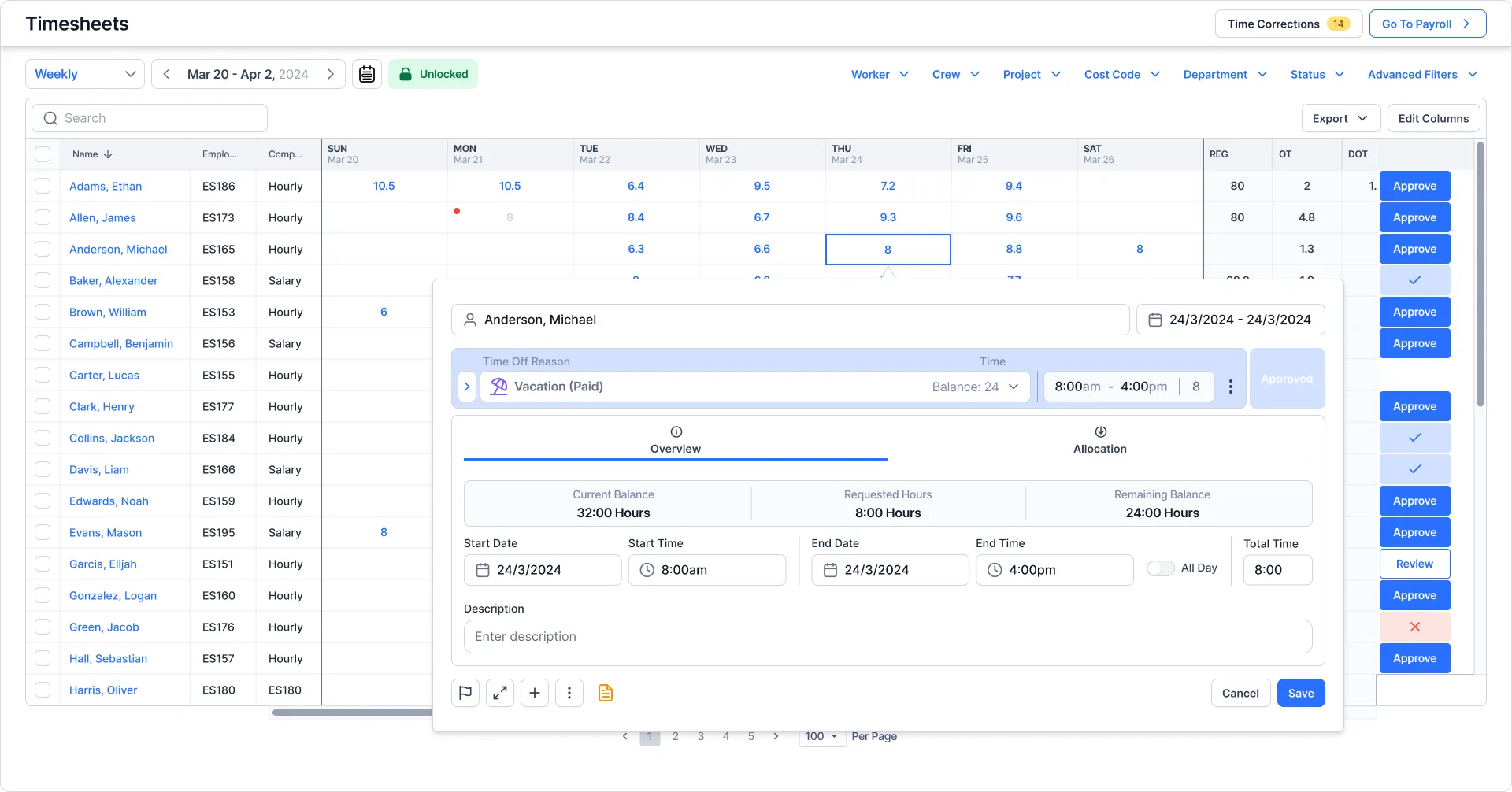
Modern time and attendance systems offer features that support work-life balance without sacrificing productivity. Shift-swapping capabilities allow workers to trade assignments when personal obligations arise. Predictable scheduling features give workers advance notice of upcoming shifts, making it easier to arrange childcare or manage family commitments.
PTO management tools provide transparency around leave requests and approvals, while mobile clock-in/clock-out features reduce administrative burdens. Some platforms even offer scheduling preferences that allow workers to indicate their availability constraints, helping supervisors build schedules that work for everyone.
Real-World Impact
When workforce management platforms support flexibility, women with caregiving responsibilities can remain in the industry and build long-term careers. The ability to swap shifts with coworkers, see schedules in advance, and manage time off through digital tools reduces the daily stress of balancing work and family obligations.
This flexibility also benefits all workers—parents and non-parents alike—while demonstrating that your company values employees as whole people, not just labor resources.
Best Practices for Implementation
Establish clear policies around shift-swapping and schedule requests, and make them accessible through your platform. Provide as much advance notice as possible for schedules, and use the system’s analytics to identify patterns that might indicate work-life balance issues. Train supervisors to use the platform’s flexibility features as retention tools, particularly for high-performing workers managing family obligations.
Feature 5: Analytics and Reporting for DEI Accountability
The Challenge
Many construction companies have good intentions around diversity and inclusion, but without data, it’s impossible to know whether those intentions are translating into results. Are you actually hiring women at competitive rates? Once hired, are they staying with your company? Are they advancing at the same pace as their male colleagues?
Without robust analytics, diversity efforts often amount to guesswork. Companies can’t identify where barriers exist in their recruitment, retention, or advancement processes, and they can’t measure whether their initiatives are making a difference.
How It Helps
Workforce management platforms with built-in analytics capabilities provide real-time visibility into diversity metrics across your entire organization. Dashboards can show hiring rates by gender, retention rates over time, promotion velocities, and even pay equity metrics.
These tools allow you to track specific initiatives—like Women in Construction Week campaigns—and measure their impact. You can identify patterns, such as particular jobsites or supervisors with higher or lower retention rates for women, and investigate the underlying causes.
Real-World Impact
Data-driven approaches to diversity transform good intentions into measurable results. When you can see exactly where women are dropping out of your pipeline—during recruitment, in the first 90 days, or after several years—you can design targeted interventions to address those specific barriers.
Analytics also provide the evidence you need to make the business case for continued investment in diversity initiatives. When you can demonstrate that diverse crews have better safety records, higher productivity, or improved retention overall, you build momentum for cultural change.
Best Practices for Implementation
Establish baseline metrics for gender diversity across hiring, retention, and advancement. Set specific, measurable goals and use your platform’s reporting features to track progress. Review diversity analytics regularly in leadership meetings, and use the data to inform decisions about recruitment strategies, training investments, and policy changes. Share appropriate metrics with your broader team to demonstrate accountability and celebrate progress.
Technology alone won’t solve the construction industry’s gender gap, but the right workforce management features can remove significant barriers and create the conditions where women can build lasting, successful careers. From transparent scheduling to skills tracking to data-driven accountability, modern platforms provide the infrastructure for more equitable, inclusive workplaces.
Ready to build a more inclusive construction workforce? Explore how Lumber’s workforce management platform can help you recruit, develop, and retain the talent your business needs to thrive. | Join our community
Lorem ipsum dolor sit amet, consectetur adipiscing elit. Donec ullamcorper mattis lorem non. Ultrices praesent amet ipsum justo massa. Eu dolor aliquet risus gravida nunc at feugiat consequat purus. Non massa enim vitae duis mattis. Vel in ultricies vel fringilla.
Introduction
Mi tincidunt elit, id quisque ligula ac diam, amet. Vel etiam suspendisse morbi eleifend faucibus eget vestibulum felis. Dictum quis montes, sit sit. Tellus aliquam enim urna, etiam. Mauris posuere vulputate arcu amet, vitae nisi, tellus tincidunt. At feugiat sapien varius id.
Eget quis mi enim, leo lacinia pharetra, semper. Eget in volutpat mollis at volutpat lectus velit, sed auctor. Porttitor fames arcu quis fusce augue enim. Quis at habitant diam at. Suscipit tristique risus, at donec. In turpis vel et quam imperdiet. Ipsum molestie aliquet sodales id est ac volutpat.


Ipsum sit mattis nulla quam nulla. Gravida id gravida ac enim mauris id. Non pellentesque congue eget consectetur turpis. Sapien, dictum molestie sem tempor. Diam elit, orci, tincidunt aenean tempus. Quis velit eget ut tortor tellus. Sed vel, congue felis elit erat nam nibh orci.

Dolor enim eu tortor urna sed duis nulla. Aliquam vestibulum, nulla odio nisl vitae. In aliquet pellentesque aenean hac vestibulum turpis mi bibendum diam. Tempor integer aliquam in vitae malesuada fringilla.
Elit nisi in eleifend sed nisi. Pulvinar at orci, proin imperdiet commodo consectetur convallis risus. Sed condimentum enim dignissim adipiscing faucibus consequat, urna. Viverra purus et erat auctor aliquam. Risus, volutpat vulputate posuere purus sit congue convallis aliquet. Arcu id augue ut feugiat donec porttitor neque. Mauris, neque ultricies eu vestibulum, bibendum quam lorem id. Dolor lacus, eget nunc lectus in tellus, pharetra, porttitor.
Ipsum sit mattis nulla quam nulla. Gravida id gravida ac enim mauris id. Non pellentesque congue eget consectetur turpis. Sapien, dictum molestie sem tempor. Diam elit, orci, tincidunt aenean tempus. Quis velit eget ut tortor tellus. Sed vel, congue felis elit erat nam nibh orci.
Mi tincidunt elit, id quisque ligula ac diam, amet. Vel etiam suspendisse morbi eleifend faucibus eget vestibulum felis. Dictum quis montes, sit sit. Tellus aliquam enim urna, etiam. Mauris posuere vulputate arcu amet, vitae nisi, tellus tincidunt. At feugiat sapien varius id.
Eget quis mi enim, leo lacinia pharetra, semper. Eget in volutpat mollis at volutpat lectus velit, sed auctor. Porttitor fames arcu quis fusce augue enim. Quis at habitant diam at. Suscipit tristique risus, at donec. In turpis vel et quam imperdiet. Ipsum molestie aliquet sodales id est ac volutpat.
Mi tincidunt elit, id quisque ligula ac diam, amet. Vel etiam suspendisse morbi eleifend faucibus eget vestibulum felis. Dictum quis montes, sit sit. Tellus aliquam enim urna, etiam. Mauris posuere vulputate arcu amet, vitae nisi, tellus tincidunt. At feugiat sapien varius id.
Eget quis mi enim, leo lacinia pharetra, semper. Eget in volutpat mollis at volutpat lectus velit, sed auctor. Porttitor fames arcu quis fusce augue enim. Quis at habitant diam at. Suscipit tristique risus, at donec. In turpis vel et quam imperdiet. Ipsum molestie aliquet sodales id est ac volutpat.
- Lectus id duis vitae porttitor enim gravida morbi.
- Eu turpis posuere semper feugiat volutpat elit, ultrices suspendisse. Auctor vel in vitae placerat.
- Suspendisse maecenas ac donec scelerisque diam sed est duis purus.
Lectus leo massa amet posuere. Malesuada mattis non convallis quisque. Libero sit et imperdiet bibendum quisque dictum vestibulum in non. Pretium ultricies tempor non est diam. Enim ut enim amet amet integer cursus. Sit ac commodo pretium sed etiam turpis suspendisse at.
Tristique odio senectus nam posuere ornare leo metus, ultricies. Blandit duis ultricies vulputate morbi feugiat cras placerat elit. Aliquam tellus lorem sed ac. Montes, sed mattis pellentesque suscipit accumsan. Cursus viverra aenean magna risus elementum faucibus molestie pellentesque. Arcu ultricies sed mauris vestibulum.

Critical Construction Compliance | Awareness Week
Mar 16, 2026
Apr 15, 2026
Nov 30, 2026
Dec 15, 2026
Essential resources for contractors