Top Construction Site Safety Protocols Every Supervisor Should Enforce

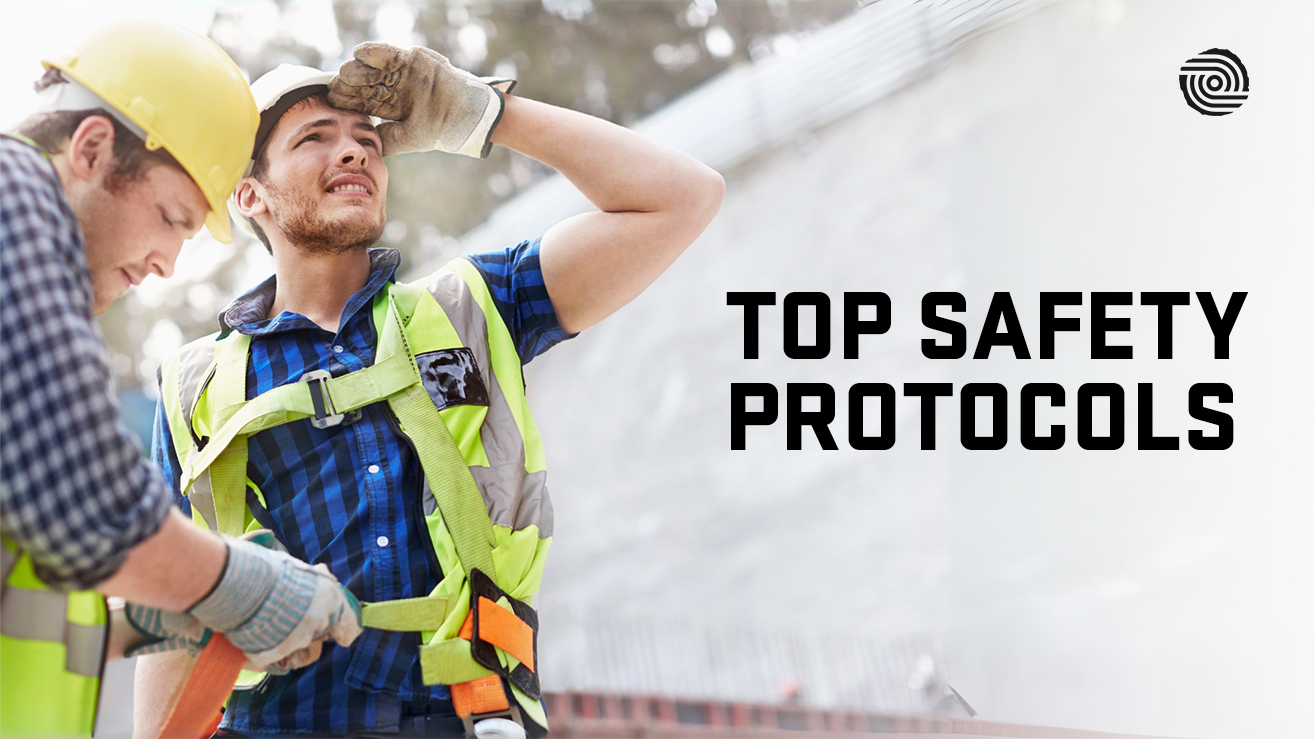


Construction site safety is the backbone of every successful project. It protects workers, minimizes accidents, and helps keep projects on schedule and within budget. Supervisors play a critical role by constantly overseeing safety protocols and ensuring every team member follows established procedures. Without committed supervision, even the best safety plans can fail, risking injury and costly delays.
Why Construction Site Safety Supervision Matters Most
A construction site safety supervisor is responsible for monitoring risks, enforcing compliance with safety standards, and guiding workers in following job protocols. They actively identify hazards—from machinery to environmental conditions—and ensure that corrective actions are taken promptly. Their oversight helps prevent accidents that could lead to injuries or fatalities. Effective supervisors also serve as safety role models, establishing a culture where workers prioritize safety every day.
Construction Safety Officers play a vital role alongside supervisors, focusing exclusively on monitoring, enforcing, and continually improving construction site safety protocols. For a deeper dive into how Safety Officers contribute to a safer job site, refer to our detailed Construction Safety Officer blog, which outlines their responsibilities and best practices to enhance safety compliance.
How to Implement Construction Site Health and Safety
.avif)
Implementing construction site health and safety requires a structured approach:
- Assess Risks: Conduct thorough hazard assessments before and during the project. Identify potential dangers specific to the site and tasks.
- Develop Safety Plans: Create a comprehensive safety plan based on risk assessments, detailing protocols for hazard mitigation, emergency response, and worker protection.
- Train Workers: Provide clear, job-specific safety training to ensure workers understand risks and required safety measures. Include OSHA construction site safety guidelines.
- Provide Proper PPE: Issue the necessary personal protective equipment (PPE), including helmets, gloves, eye protection, and fall arrest systems, as required.
- Enforce Compliance: Supervisors must consistently enforce safety protocols and address unsafe behaviors promptly.
- Conduct Regular Inspections: Perform daily site inspections to identify and correct hazards before they cause harm.
- Communicate Safety Information: Utilize signage, toolbox talks, and safety meetings to maintain high safety awareness and share timely updates.
- Document Incidents and Training: Maintain detailed records of all safety training sessions, incidents, and corrective actions to ensure compliance with regulatory and company requirements.
- Engage Workers: Encourage workers to report hazards or safety concerns to improve the overall safety culture.
- Review and Improve: Regularly review safety procedures and incident reports to implement improvements continuously.
10 Construction Site Safety Protocols
.avif)
Following these key construction site safety protocols can help minimize risks:
- Wear Personal Protective Equipment (PPE): Always require appropriate PPE based on task and site hazards.
- Secure Fall Protection: Implement fall prevention measures through the use of guardrails, safety nets, harness systems, and regular training on their proper use.
- Maintain Clear Work Zones: Keep pathways and work areas free from debris and obstructions to ensure a safe and efficient work environment.
- Proper Machinery Operation: Ensure that only trained personnel operate equipment and machinery, and maintain regular inspections.
- Electrical Safety: Use lockout/tagout procedures and ensure all electrical installations comply with safety standards.
- Hazard Communication: Clearly label hazardous materials and provide safety data sheets (SDS) accessible to workers.
- Excavation Safety: Follow OSHA excavation safety practices, including trench shielding, sloping, and ensuring safe access.
- Emergency Preparedness: Establish and train on emergency procedures, including evacuation routes and first-aid stations.
- Scaffold Safety: Erect scaffolding according to manufacturer guidelines and conduct regular inspections.
- Control Exposure to Hazardous Substances: Implement controls for dust, noise, and chemical exposure to protect worker health.
Best Practices for a Construction Site Safety Work Environment
Beyond compliance, strong construction site safety requires culture and leadership focus:
- Regular Toolbox Talks: Conduct brief daily or weekly safety meetings to review protocols, discuss potential hazards, and solicit feedback.
- Open Communication Channels: Encourage workers to voice concerns without fear of reprisal, including anonymous reporting options.
- Reward Safe Behavior: Recognize and incentivize employees who consistently follow safety protocols and contribute to a safer site.
- Involve Workers in Safety Planning: Engage workforce input during safety meetings and risk assessments to increase ownership and adherence.
- Commitment from Leadership: Supervisors and managers must visibly prioritize safety, dedicating resources and time to the program. This commitment sets the tone throughout the team.
Construction site safety supervision is far more than regulatory compliance—it is a vital effort to protect lives and maintain workforce well-being. By rigorously enforcing safety protocols and fostering a proactive safety culture, supervisors play an essential role in preventing accidents and ensuring project success. Every construction site benefits when safety is the priority and supervisors lead by example.
Frequently Asked Questions
What are the most common OSHA violations in construction?
Common violations include failure to provide fall protection, improper use of scaffolding, inadequate hazard communication, improper use of respiratory protection, and improper lockout/tagout procedures.
How often should construction safety training be conducted?
Training should be provided at the project start, when roles or hazards change, and refreshed regularly, typically every quarter or annually, in accordance with OSHA guidelines.
What are the supervisor's legal responsibilities for site safety?
Supervisors must enforce safety standards, provide training, conduct regular inspections, identify and correct hazards, and ensure compliance with OSHA regulations.
How can technology improve construction site safety?
Tools such as wearable sensors, AI-powered hazard detection, and digital safety documentation enhance monitoring, reporting, and response to risks.
What should be included in a daily safety inspection?
Check PPE use, equipment conditions, fall protections, site cleanliness, hazardous materials labeling, and emergency preparedness each day.
Lorem ipsum dolor sit amet, consectetur adipiscing elit. Donec ullamcorper mattis lorem non. Ultrices praesent amet ipsum justo massa. Eu dolor aliquet risus gravida nunc at feugiat consequat purus. Non massa enim vitae duis mattis. Vel in ultricies vel fringilla.
Introduction
Mi tincidunt elit, id quisque ligula ac diam, amet. Vel etiam suspendisse morbi eleifend faucibus eget vestibulum felis. Dictum quis montes, sit sit. Tellus aliquam enim urna, etiam. Mauris posuere vulputate arcu amet, vitae nisi, tellus tincidunt. At feugiat sapien varius id.
Eget quis mi enim, leo lacinia pharetra, semper. Eget in volutpat mollis at volutpat lectus velit, sed auctor. Porttitor fames arcu quis fusce augue enim. Quis at habitant diam at. Suscipit tristique risus, at donec. In turpis vel et quam imperdiet. Ipsum molestie aliquet sodales id est ac volutpat.


Ipsum sit mattis nulla quam nulla. Gravida id gravida ac enim mauris id. Non pellentesque congue eget consectetur turpis. Sapien, dictum molestie sem tempor. Diam elit, orci, tincidunt aenean tempus. Quis velit eget ut tortor tellus. Sed vel, congue felis elit erat nam nibh orci.

Dolor enim eu tortor urna sed duis nulla. Aliquam vestibulum, nulla odio nisl vitae. In aliquet pellentesque aenean hac vestibulum turpis mi bibendum diam. Tempor integer aliquam in vitae malesuada fringilla.
Elit nisi in eleifend sed nisi. Pulvinar at orci, proin imperdiet commodo consectetur convallis risus. Sed condimentum enim dignissim adipiscing faucibus consequat, urna. Viverra purus et erat auctor aliquam. Risus, volutpat vulputate posuere purus sit congue convallis aliquet. Arcu id augue ut feugiat donec porttitor neque. Mauris, neque ultricies eu vestibulum, bibendum quam lorem id. Dolor lacus, eget nunc lectus in tellus, pharetra, porttitor.
Ipsum sit mattis nulla quam nulla. Gravida id gravida ac enim mauris id. Non pellentesque congue eget consectetur turpis. Sapien, dictum molestie sem tempor. Diam elit, orci, tincidunt aenean tempus. Quis velit eget ut tortor tellus. Sed vel, congue felis elit erat nam nibh orci.
Mi tincidunt elit, id quisque ligula ac diam, amet. Vel etiam suspendisse morbi eleifend faucibus eget vestibulum felis. Dictum quis montes, sit sit. Tellus aliquam enim urna, etiam. Mauris posuere vulputate arcu amet, vitae nisi, tellus tincidunt. At feugiat sapien varius id.
Eget quis mi enim, leo lacinia pharetra, semper. Eget in volutpat mollis at volutpat lectus velit, sed auctor. Porttitor fames arcu quis fusce augue enim. Quis at habitant diam at. Suscipit tristique risus, at donec. In turpis vel et quam imperdiet. Ipsum molestie aliquet sodales id est ac volutpat.
Mi tincidunt elit, id quisque ligula ac diam, amet. Vel etiam suspendisse morbi eleifend faucibus eget vestibulum felis. Dictum quis montes, sit sit. Tellus aliquam enim urna, etiam. Mauris posuere vulputate arcu amet, vitae nisi, tellus tincidunt. At feugiat sapien varius id.
Eget quis mi enim, leo lacinia pharetra, semper. Eget in volutpat mollis at volutpat lectus velit, sed auctor. Porttitor fames arcu quis fusce augue enim. Quis at habitant diam at. Suscipit tristique risus, at donec. In turpis vel et quam imperdiet. Ipsum molestie aliquet sodales id est ac volutpat.
- Lectus id duis vitae porttitor enim gravida morbi.
- Eu turpis posuere semper feugiat volutpat elit, ultrices suspendisse. Auctor vel in vitae placerat.
- Suspendisse maecenas ac donec scelerisque diam sed est duis purus.
Lectus leo massa amet posuere. Malesuada mattis non convallis quisque. Libero sit et imperdiet bibendum quisque dictum vestibulum in non. Pretium ultricies tempor non est diam. Enim ut enim amet amet integer cursus. Sit ac commodo pretium sed etiam turpis suspendisse at.
Tristique odio senectus nam posuere ornare leo metus, ultricies. Blandit duis ultricies vulputate morbi feugiat cras placerat elit. Aliquam tellus lorem sed ac. Montes, sed mattis pellentesque suscipit accumsan. Cursus viverra aenean magna risus elementum faucibus molestie pellentesque. Arcu ultricies sed mauris vestibulum.

Critical Construction Compliance | Awareness Week
Mar 16, 2026
Apr 15, 2026
Nov 30, 2026
Dec 15, 2026
Essential resources for contractors